All Categories
Featured
Table of Contents

Advancements in Water Management for Trusted Severna Park Lawn Care
The summer of 2026 has brought record temperatures, forcing a change in how grass is maintained. Traditional overhead irrigation often loses up to 50 percent of its water to evaporation and wind drift before it even hits the soil. For high-performance turf, especially in Trusted Severna Park Lawn Care, this waste is no longer acceptable. Property managers are moving away from visual assessments and scheduled timers, opting instead for data-driven applications that prioritize plant health and deep root growth.
Modern Lawn Care now centers on maintaining high shoot density while using significantly less water. This is achieved through a combination of hardware and biology. By tracking the rate at which water leaves the plant and soil—a process known as evapotranspiration—technicians can apply the exact amount of moisture required for that specific day. This precision prevents the cycles of stress and recovery that typically weaken grass over time, leading to a more resilient surface that resists weeds and disease without heavy chemical use.
Precision Data and Lawn Care Efficiency
The hardware found in a standard system in 2026 includes in-ground soil moisture sensors. These devices measure the volumetric water content at various depths, typically four and eight inches. This data allows for a more scientific approach to irrigation, ensuring that water reaches the entire root zone rather than just wetting the surface. Managers with expertise in Yard Improvement are finding that deep, infrequent watering cycles encourage roots to dive deeper into the soil profile. This makes the grass significantly more drought-tolerant during periods of extreme heat.
Smart controllers have also become the standard. These units connect to local weather stations via satellite, adjusting run times based on humidity, solar radiation, and wind speed. If rain is detected or even predicted with a high degree of certainty, the system automatically suspends its cycle. In Trusted Severna Park Lawn Care where water restrictions are common, this automation ensures compliance while protecting the investment in the turf. The focus has shifted from "keeping it green" to "keeping it healthy," recognizing that overwatered grass is often shallow-rooted and prone to fungal infections.

The Shift to Subsurface Delivery Systems
One of the most effective technologies gaining traction in 2026 is subsurface drip irrigation. Instead of spraying water into the air, this method uses a network of tubes buried beneath the soil surface. Water is delivered directly to the root zone through pressure-compensating emitters. This eliminates surface runoff and keeps the foliage dry, which is a major factor in preventing many common turf diseases. For high-traffic areas in Trusted Severna Park Lawn Care, subsurface systems allow the grass to be used even while it is being watered.
Comprehensive Yard Improvement Programs provides a way to maintain high-quality turf in wind-prone areas where traditional sprinklers would be ineffective. Because there is no mist or spray, there is no water lost to the atmosphere. While the initial installation of these systems requires more precision, the long-term savings in water and the improvement in turf health are undeniable. The lack of surface moisture also discourages the germination of weed seeds, which generally require a wet surface layer to sprout.
Soil Biology and Sustainable Density in Trusted Severna Park Lawn Care
Maintaining density is about more than just water. It requires a healthy soil structure that can hold and move moisture efficiently. In 2026, the use of specialized wetting agents and soil surfactants has become a standard part of Lawn Care. These products break the surface tension of water, allowing it to penetrate hydrophobic soils and spread laterally. This ensures that every square inch of the root zone has access to moisture, preventing the localized dry spots that often mar the appearance of large grass areas.
Organic amendments are also playing a larger role. Applications of humic acid and sea kelp extracts improve the soil’s cation exchange capacity, which helps it retain both water and nutrients. This biological approach reduces the need for synthetic fertilizers, as the grass becomes more efficient at taking up what is already available in the soil. When soil biology is balanced, the turf develops a thicker cuticle layer on its leaves, which naturally slows the rate of moisture loss during the heat of the day.
New Cultivars and Biological Endophytes
The grass varieties being planted in 2026 are genetically different from those used a decade ago. Breeders have focused on "low-input" cultivars that maintain their color and density with 30 to 40 percent less water. Many of these new grasses are inoculated with beneficial fungi called endophytes. These fungi live within the plant tissue and provide natural resistance to heat stress and certain insects. In Trusted Severna Park Lawn Care, switching to these improved varieties has proven to be one of the most effective ways to lower water bills without sacrificing curb appeal.
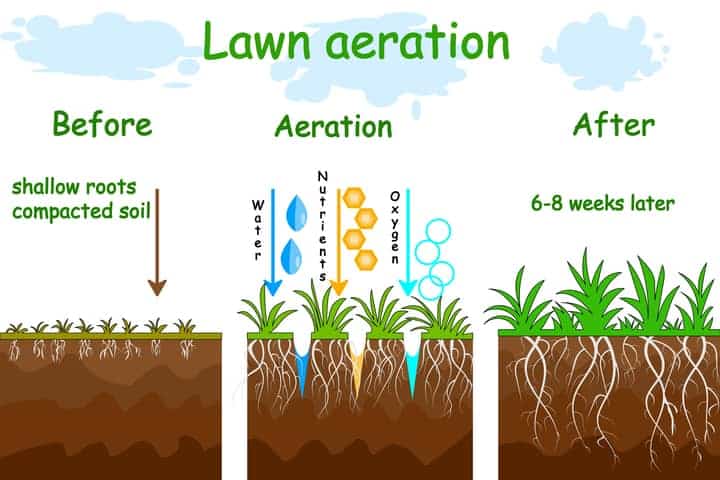
High-performance turf also relies on mechanical practices like aeration and top-dressing. By removing small plugs of soil and replacing them with sand or compost, managers can alleviate compaction. This allows oxygen and water to reach the roots more easily. Compaction is the enemy of sustainability, as it leads to runoff and poor drainage. A regular schedule of mechanical maintenance ensures that the irrigation technology can do its job effectively.
Optimizing Long-Term Health through Technology
The integration of mobile apps and remote monitoring has changed the daily routine for those managing Lawn Care. Real-time alerts can notify a technician of a leak or a clogged valve before any damage occurs. This immediate response capability prevents the massive water waste associated with broken pipes or stuck sprinkler heads. The demand for Yard Improvement in Severna Park has grown as property owners realize that professional monitoring pays for itself through reduced utility costs and longer plant lifespans.
In 2026, the goal of irrigation is no longer to saturate the ground. The goal is to manage the soil-water-plant relationship with surgical precision. By combining smart controllers, subsurface delivery, and drought-resistant grass varieties, it is possible to maintain lush, dense turf in even the most challenging environments. These practices ensure that managed grass continues to provide cooling effects and oxygen production in Trusted Severna Park Lawn Care without putting an undue strain on natural resources.
Sustainability in turf management is a result of many small, data-backed decisions. It starts with the soil and ends with the technology used to deliver water. When these elements are aligned, the result is a durable, healthy surface that can withstand the rigors of the modern climate. As technology continues to evolve, the ability to maintain beautiful green spaces while practicing strict conservation will only become more refined. High-performance turf is now a product of science, biology, and responsible stewardship.

Latest Posts
Get Improved Results By Using An Amsterdam Romance Advisor
The Synergy Between Microbiomes and Modern Fertilization
Smart Watering: Enhancing Your Area Grass Resilience