All Categories
Featured
Table of Contents
The Evolution of Soil Biology in Modern Green Spaces
The approach to maintaining high-quality grass has shifted significantly by 2026. For decades, the industry relied heavily on synthetic inputs to force growth and color. This often led to a sterile soil environment where the natural biological cycles were suppressed. Current agronomic practices now emphasize the rhizosphere—the narrow region of soil directly influenced by root secretions and associated microorganisms. This area is a bustling center of activity where bacteria, fungi, and other microbes dictate the health and resilience of the turf.
Understanding this subterranean world requires a move away from the traditional "feed the plant" mentality toward a "feed the soil" strategy. When soil biology is prioritized, the grass becomes less dependent on frequent chemical interventions. Instead of seeing soil as a mere physical anchor for roots, professionals now treat it as a biological engine. Property managers focusing on Bermudagrass Control find that soil tests reveal far more than just basic pH and nutrient levels; they show the diversity and activity of microbial life.
By 2026, DNA sequencing of soil samples has become a standard tool for those managing high-performance turf. These tests identify which species of bacteria and fungi are present, allowing for precise amendments that restore balance. This level of detail helps prevent the over-application of fertilizers, as many nutrients are already present in the soil but remain "locked" in forms the plant cannot absorb. Microbes act as the bridge, converting these elements into plant-available nutrients through natural decomposition and chemical transformation.
Microbial Diversity and Sustainable Density

Dense turf is the best defense against weeds and environmental stress. Achieving this density without excessive nitrogen requires a healthy population of Plant Growth-Promoting Rhizobacteria (PGPR). These bacteria colonize the root system and produce hormones that encourage root branching and elongation. A larger root system allows the grass to access water and minerals from deeper in the soil profile, which is essential for maintaining color during the heat of 2026 summers.
By early 2026, Core Aeration Seeding Services appeared as a primary factor in reducing nitrogen runoff into local waterways. When microbes are active, they help hold nutrients in the root zone, preventing them from leaching away during heavy rains. This biological "sponge" effect is particularly beneficial in regions where sandy soils typically struggle to retain moisture and fertility.
Mycorrhizal fungi also play a central role in this process. These fungi form a symbiotic relationship with grass roots, effectively extending the reach of the root system by hundreds of times. They are particularly adept at sourcing phosphorus, an element often tied up in the soil. In exchange for sugars produced by the plant during photosynthesis, the fungi provide minerals and water that the plant could not reach on its own. This partnership results in a thicker, more resilient stand of grass that can withstand foot traffic and environmental pressures with less supplemental irrigation.

Biological Disease Suppression and Turf Health
One of the most significant changes in professional lawn care over the last few years is the reduction in fungicide use. In 2026, the focus is on competitive exclusion. This principle suggests that if the soil and leaf surfaces are covered with beneficial microbes, there is no room for pathogenic fungi to take hold. A diverse microbiome acts as an immune system for the turf, providing a natural defense against common issues like brown patch or dollar spot.
Certain bacteria, such as those in the Bacillus genus, produce natural antibiotics that target harmful pathogens. Others trigger a process called Induced Systemic Resistance (ISR) in the grass. This is similar to a vaccination; the presence of beneficial microbes "primes" the plant's internal defense mechanisms, making it faster and more effective at fighting off infections when they occur. This biological approach is much more sustainable than the repeat applications of synthetic fungicides, which can lead to resistance and further degrade the soil microbiome.
The use of liquid compost extracts and microbial inoculants has become a routine part of maintenance in urban environments. These applications reintroduce beneficial species that may have been lost due to compaction, drought, or previous chemical use. The goal is to create a self-sustaining system where the microbes recycle organic matter—such as grass clippings and fallen leaves—back into usable food for the turf. This reduces the need for waste removal and lowers the overall carbon footprint of the property.
The Role of Carbon in Supporting Soil Life
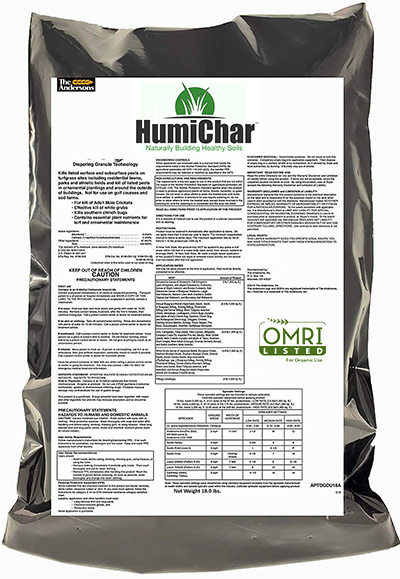
Microbes require a carbon source to survive and thrive. In 2026, the most successful turf programs incorporate carbon-based fertilizers, humic acids, and biochar. These materials provide the "housing" and "fuel" for soil microorganisms. Without carbon, even the most expensive microbial inoculants will struggle to establish a permanent population.
Biochar, a form of charcoal produced from organic waste, has gained popularity for its ability to improve soil structure and microbial habitat. It is highly porous, providing tiny spaces where bacteria can hide from predators and survive periods of drought. Those investing in Bermudagrass Suppression in Maryland often see higher resilience against heat stress because the biochar also helps the soil retain moisture for longer periods.
Humic and fulvic acids serve as another essential component. These organic compounds improve the cation exchange capacity (CEC) of the soil, which is a measure of how well the soil can hold onto nutrients like potassium, calcium, and magnesium. By increasing the CEC through biological and carbon-based amendments, managers ensure that the fertility they apply stays where the grass can use it. This efficiency is a hallmark of the advanced agronomic practices used throughout 2026.
Adapting Strategies for Local Conditions
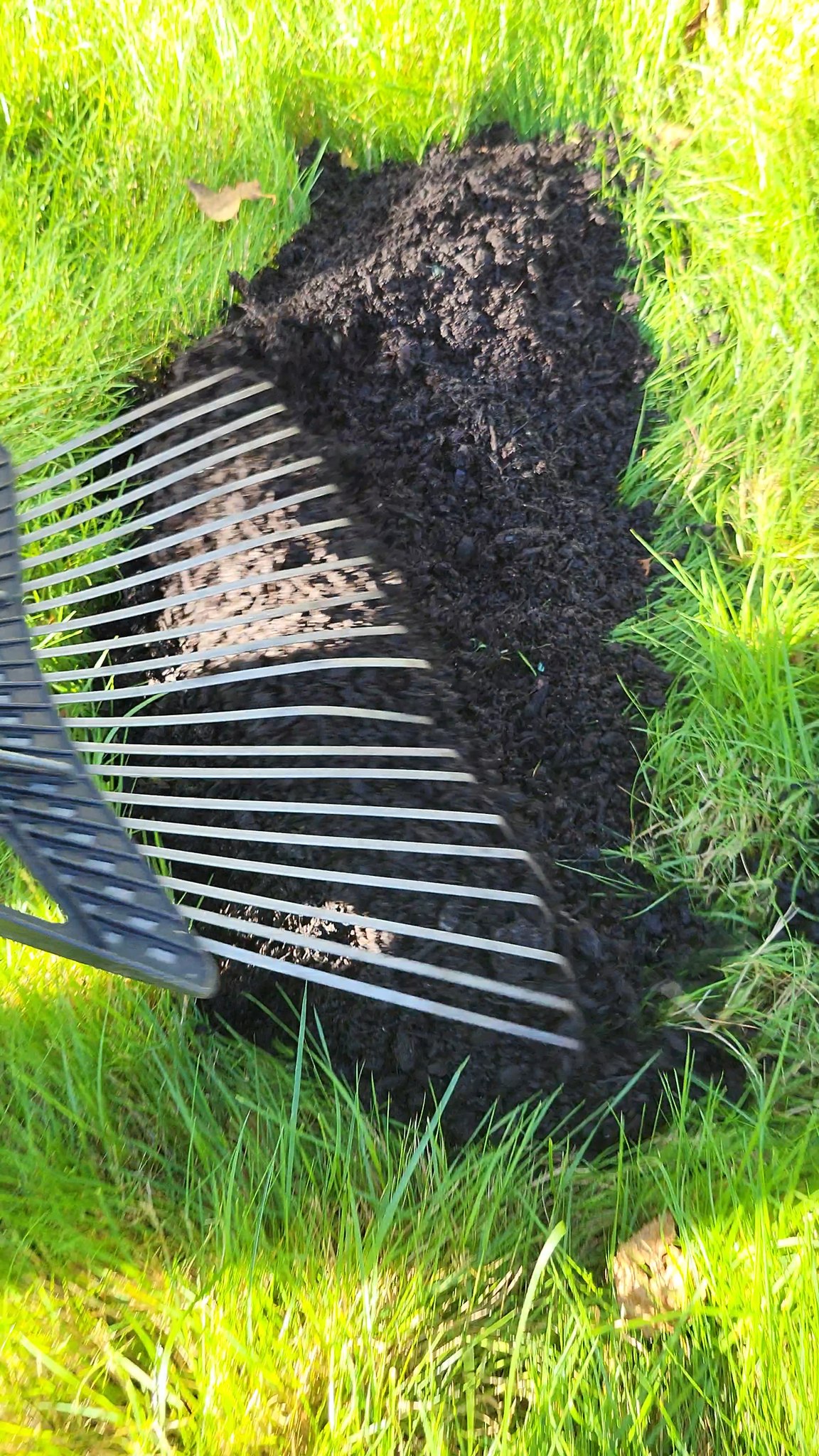
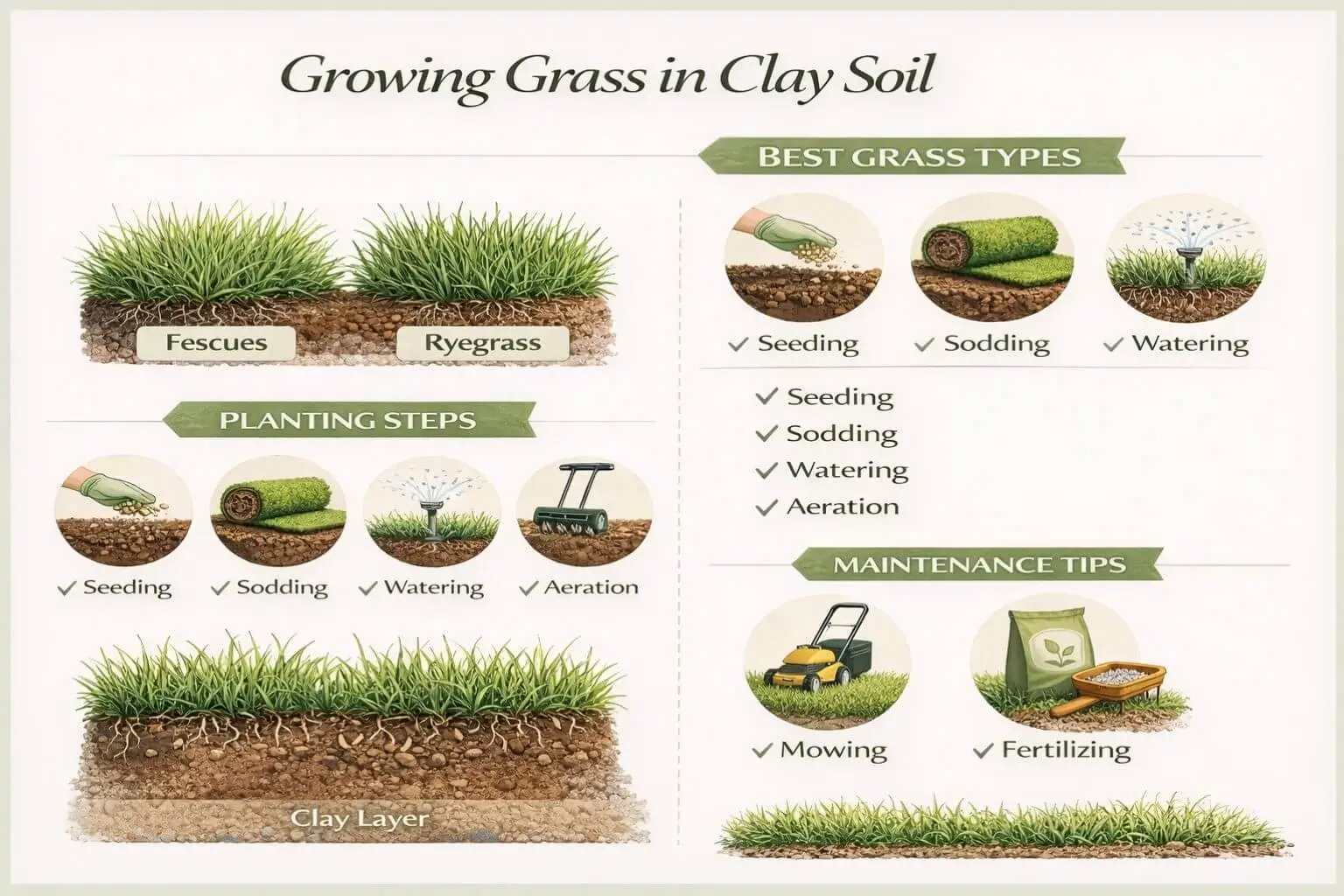
Local climate and soil types dictate the specific microbial needs of a lawn. In areas with heavy clay, the focus might be on microbes that help break down organic matter and improve aeration. In regions with alkaline soils, certain bacteria can help lower the micro-pH around the roots, making iron and other micronutrients more accessible. The customization of turf programs based on local biological data is a major trend in 2026.
Maintaining a healthy microbiome also requires changes in physical maintenance. For example, excessive tilling or heavy compaction can destroy the delicate fungal networks in the soil. Mechanical aeration is still used, but it is now frequently followed by a microbial application to "re-seed" the newly opened soil spaces. Mowing heights are also kept slightly higher in many residential turf programs to allow the grass to produce more sugars, which in turn feeds the microbial population in the root zone.
The transition to biologically-led management is not always instant. It can take a full growing season for the soil to move away from a chemical-dependent state. However, the long-term results—including deeper roots, better color, and reduced water requirements—make it the preferred choice for those looking toward a more sustainable future.
The Future of Soil-Based Turf Management
As we move through 2026, the integration of technology and biology continues to advance. Smart irrigation systems now use sensors that can detect when soil moisture levels are dropping to a point that might stress the microbial population, not just the grass. This proactive approach ensures that the "living soil" remains active year-round.
The success of these biological methods has proven that high-quality turf does not have to come at an environmental cost. By working with the natural systems already present in the soil, it is possible to achieve a lush, dense lawn that is both beautiful and ecologically responsible. The shift toward microbiome-focused management represents a maturing of the turf industry, where science and nature work in tandem to produce the best possible results.
Ultimately, the health of the grass is a reflection of the life beneath it. By prioritizing the invisible world of microbes, turf managers are building more resilient green spaces that can withstand the challenges of a changing climate while providing a safe, natural environment for the community. The focus remains on building a strong foundation, ensuring that every blade of grass is supported by a diverse and active soil community.

Latest Posts
Get Improved Results By Using An Amsterdam Romance Advisor
The Synergy Between Microbiomes and Modern Fertilization
Smart Watering: Enhancing Your Area Grass Resilience